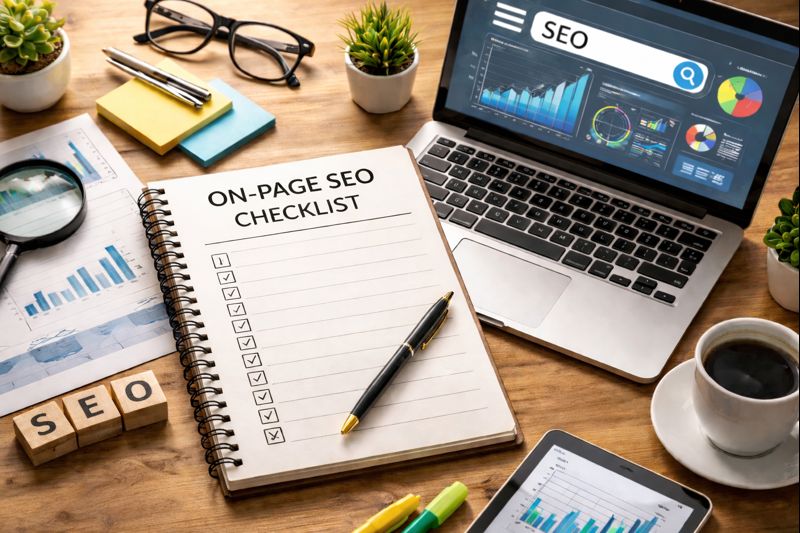
If your rankings feel stuck, it's usually not because Google needs more "content." Pages move up when they consistently nail the fundamentals: they match the searcher's intent, answer the question quickly, stay easy to scan, and make it simple for Google to understand what the page is about.
Here's the direct answer: On-page SEO that actually moves rankings is a repeatable checklist: intent match, strong titles, clear page structure, helpful depth, smart internal linking, clean technical basics, and a conversion-focused layout. If you're rewriting pages, treat this like a pre-flight check. Most "SEO problems" are really "page clarity" problems.
1. Start With Intent Instead of Keywords
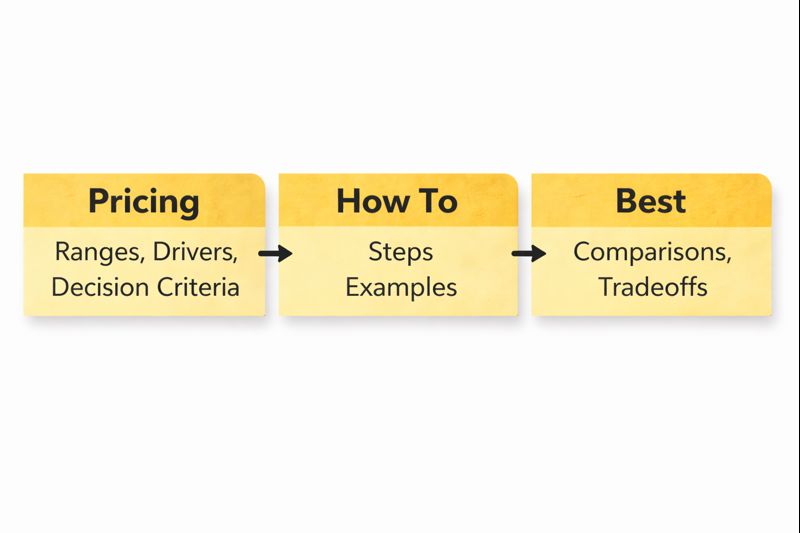
Before you write a single line, define what the searcher is trying to accomplish. Someone searching "pricing" wants ranges, drivers, and decision criteria; someone searching "how to" wants steps and examples; someone searching "best" wants comparisons and tradeoffs.
When you align your page to the job the searcher is hiring it to do, rankings become easier because you're competing on relevance instead of word count.
2. Make the Title Tag Earn the Click
Your title tag is your promise. It should plainly reflect the query and make a clear case for why your page is worth choosing.
In practice, that means leading with the topic in normal language and adding a specific angle that signals usefulness, such as "checklist," "template," "cost breakdown," or "step-by-step." If you're tempted to get clever, default to clarity—because the best title is the one that matches intent and wins the click without confusion.
3. Answer Fast, Then Expand
A lot of pages bury the answer under throat-clearing intros. Don't. Within the first couple of paragraphs, state the direct answer and give a simple framework that previews what's coming.
This "answer-first" approach helps readers confirm they're in the right place, and it gives search engines a clean, snippet-ready explanation of what the page solves before you go deeper.
Pro Tip: Use a Summary
A summary is an effective way to outline what the page is about, briefly explaining key points the reader wants to know before diving into the rest.
4. Structure the Page Like a Decision Path
Most visitors skim headings to decide whether to commit. Your headings should read like an outline of the solution, not like creative writing.
Use clear H2 sections that mirror what people expect to see—such as definitions, steps, costs, comparisons, common mistakes, and next actions—so a reader can get the gist quickly and then drop into the section they care about. When the structure is obvious, the page feels easier to consume, which usually translates into better engagement signals over time.
5. Build "Helpfulness" With Specifics, Not Length
Generic pages blend together because they say the same things in different words. What separates pages that rank is specificity: concrete steps, decision rules, examples, and explanations of why something works.
If you can include a simple process you use, a short set of common pitfalls you routinely see, or a clear "if/then" guideline for choosing between options, your page becomes materially more useful than the average result—even if it's shorter.
6. Internal Links Should Be Planned, Not Accidental
Internal links are one of the fastest ways to strengthen a site without chasing new content. They help users find the next relevant page and help search engines understand which pages are most important and how topics connect.
The key is intentionality: link from high-traffic pages to the pages that matter most, use anchor text that describes what the reader will get, and connect related topics so a user naturally moves from learning to deciding to taking action.
7. Use Schema Where It Actually Helps
Schema isn't a hack; it's a clarity tool. When it fits naturally, it can help search engines interpret the page type and key elements, and sometimes it improves how your listing appears.
Think of schema as structured labeling; use it when the page genuinely contains the information (like FAQs you truly answer, an article page, a service description, or local business details). If you're forcing it, it's probably not worth doing.
8. Images Should Support the Decision
Images can strengthen a page, but only when they help someone understand, trust, or act. Process visuals, simple diagrams, screenshots, and real examples can reduce confusion and speed up comprehension.
Random stock photos usually add weight without adding value, so be ruthless about whether an image clarifies something. When images are useful, make sure they load fast and don't drag down the mobile experience.
9. Don't Forget the Conversion Layer
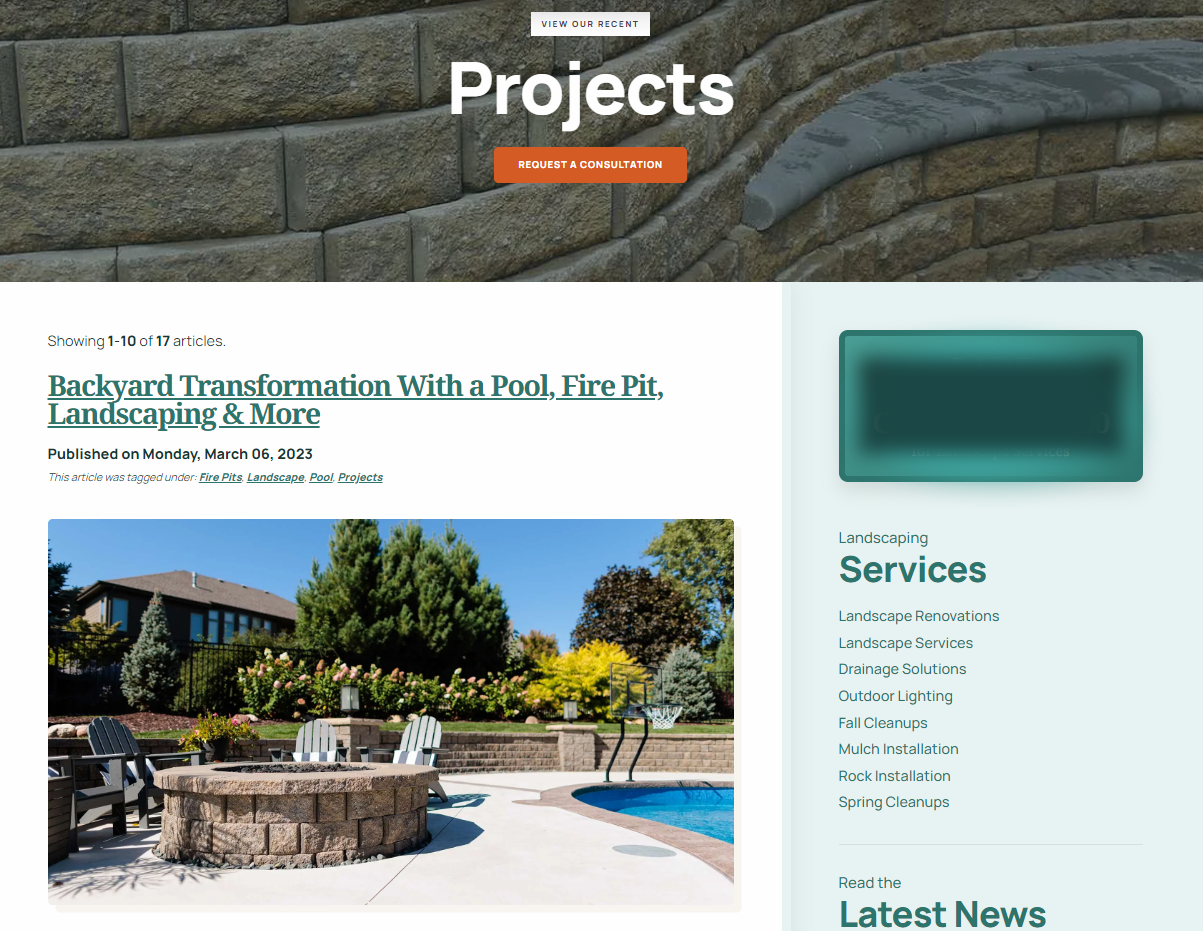
Ranking is only half the job. Every page should make the next step obvious—whether that's calling, requesting an estimate, booking a consult, downloading a checklist, or reading a related page.
The best-performing pages guide users forward with a clear primary action and a secondary option for visitors who aren't ready yet. When you combine relevance with a clean "what happens next," you turn traffic into pipeline instead of just analytics.
10. Maintain, Don't Publish & Pray
On-page SEO isn't a one-time project; it's upkeep. If a page matters, keep it current by refreshing details, tightening intros, improving headings, and expanding sections based on real questions you hear from customers and prospects.
A simple routine—from reviewing key pages quarterly to updating the ones tied to revenue—often outperforms constantly publishing new posts that never get maintained.
We'll Help Improve Your SEO Alongside Our Growth Programs
SEO is an important component of your website and crucial for ranking organically on search engines. At Lawnline Marketing, we offer search engine optimization services alongside our full-service Growth Programs to handle all your digital marketing needs.
If you're a green industry business looking to improve your marketing, contact us at (813) 944-3400 to discuss whether we're the right fit for you!