If you are thinking about a rebrand, you are usually stuck between two realities. Your current brand no longer represents the company you have built, and you are worried about losing the trust and visibility you have already earned.
Here is the short answer upfront: you can rebrand without losing your reputation or your SEO if you treat it like an operational change, not a design project. The companies that struggle are the ones that start with a logo and hope everything else catches up.
This guide walks through how to do it the right way.
Start With Strategy Before Design
Before colors, logos, or websites, the leadership team needs clarity. A rebrand should reflect a shift in focus, maturity, or positioning — not just a desire to look more modern.
At a minimum, you should be clear on:
- Who you serve best today
- What you want to be known for
- What actually differentiates your company in the market
- What is changing and what is staying the same
Customers do not mind a new look, but they do get nervous if they think ownership, service quality, or reliability has changed.
A simple test is whether your office staff can explain the new brand in one sentence on the phone. If they cannot, the strategy is not finished yet.
Decide Whether You Need a Refresh or a Full Rebrand
Not every company needs a new name. In fact, changing your name is one of the highest-risk moves you can make from an SEO and reputation standpoint.
If your current name has strong recognition, reviews, and referral equity, a brand refresh with updated visuals and clearer messaging often delivers most of the upside with far less risk. A full rebrand that includes a name change only makes sense when the existing name actively limits growth or misrepresents what you do.
The more you change, the more disciplined your rollout needs to be.
Protect Your SEO With a Focused Rollout Checklist
Most SEO damage during a rebrand comes from avoidable execution mistakes, not from the rebrand itself.
- Redirect old URLs — Every old page should redirect to its new equivalent so Google and customers do not hit dead ends
- Preserve high-performing pages — Service pages should be rebuilt with the same intent, not removed because they feel outdated
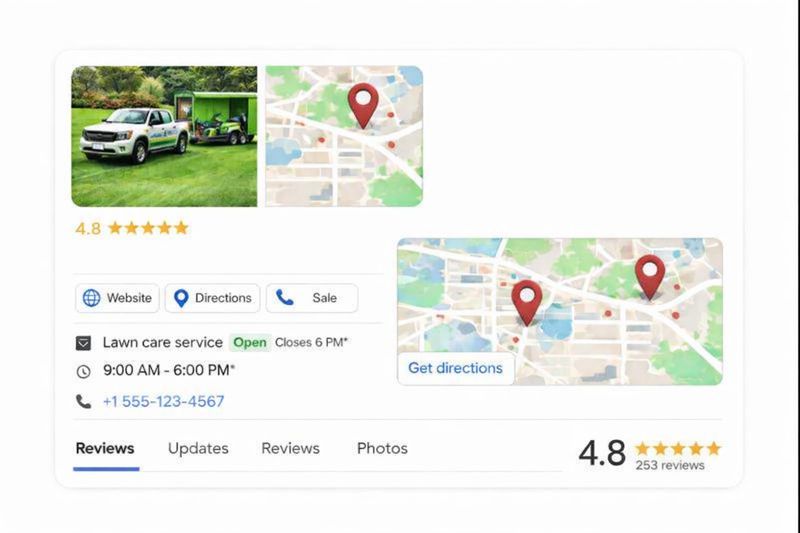
- Update all listings — Google Business Profile, website, and major directories all need to reflect the same business name, phone number, and branding
One of the most common mistakes is launching a new site without proper redirects. That single oversight can erase years of search authority overnight.
"When building a new website for your business, make sure that all your current pages are transferred over or rewritten."
Control the Narrative So Customers Are Not Confused
Customers do not care about branding theory. They care about whether the company they trust is still the same company.
Your communication should:
- Clearly explain why the change is happening
- Reassure customers about what is not changing
- Briefly point to what is improving
This does not need to be dramatic or overproduced. A straightforward email, a short website announcement, and consistent language from your office team usually cover it.
If the message feels simple and calm, customers will accept it quickly. If it feels defensive or overly detailed, it creates unnecessary doubt.
Planning a Rebrand?
We help lawn and landscape companies rebrand without losing their hard-earned SEO rankings, reviews, or customer trust.
Get a ConsultationUpdate the Touchpoints That Actually Influence Trust
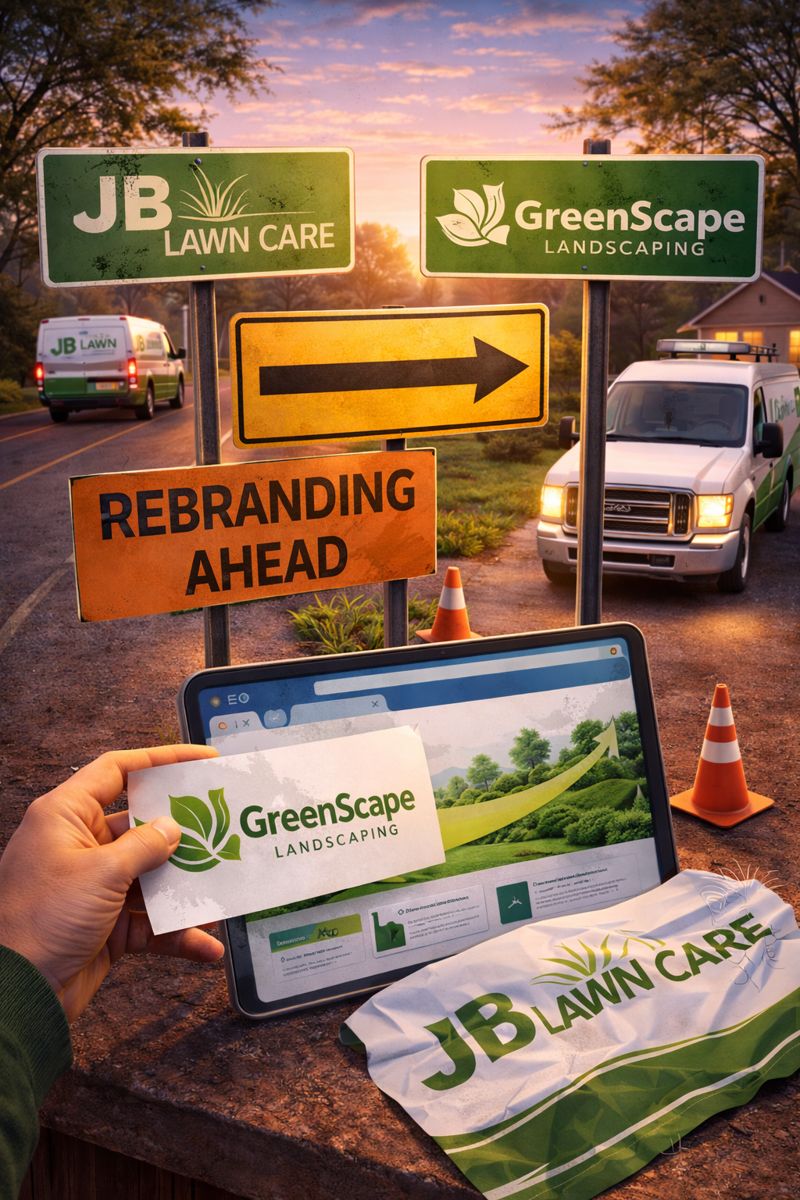
In lawn and landscape, your brand is experienced in the field as much as online. That means trucks, uniforms, proposals, and crew presentation often matter more than social profiles.
If everything cannot be updated at once, prioritize visibility and sales impact first. A temporary overlap is fine, but avoid situations where customers see multiple logos or business names with no explanation. Consistency builds confidence, even during transition.
Measure the Rebrand Like a Business Decision
A rebrand is not complete when the website launches. It is complete when performance stabilizes.
For the first 60 days, leadership should watch:
- Branded search activity
- Website conversion rates
- Google Business Profile engagement
- Close rates
- Review trends
If something dips, the goal is not to panic but to diagnose whether the issue is visibility, messaging, or internal execution during the transition.
Handled correctly, most companies see normalization quickly and often improvement once the brand better reflects who they are.
Common Rebrand Mistakes to Avoid
The biggest issues usually come from moving too fast or skipping fundamentals:
- Name changes without a listings plan — Creates confusion across directories
- New websites without redirects — Destroys search rankings
- Untrained office staff — Explaining the change inconsistently undermines the rebrand
- Rushing the visual rollout — Leaves customers confused about who they're working with
Plan the Rebrand Before You Launch It
If you are planning a refresh or full rebrand and want to protect your rankings, reviews, and lead flow, Lawnline Marketing can help you map the rollout and identify the critical items before anything goes live.
Call (813) 944-3400 to talk through your rebrand timeline and tracking plan with a team that understands how lawn and landscape businesses operate.