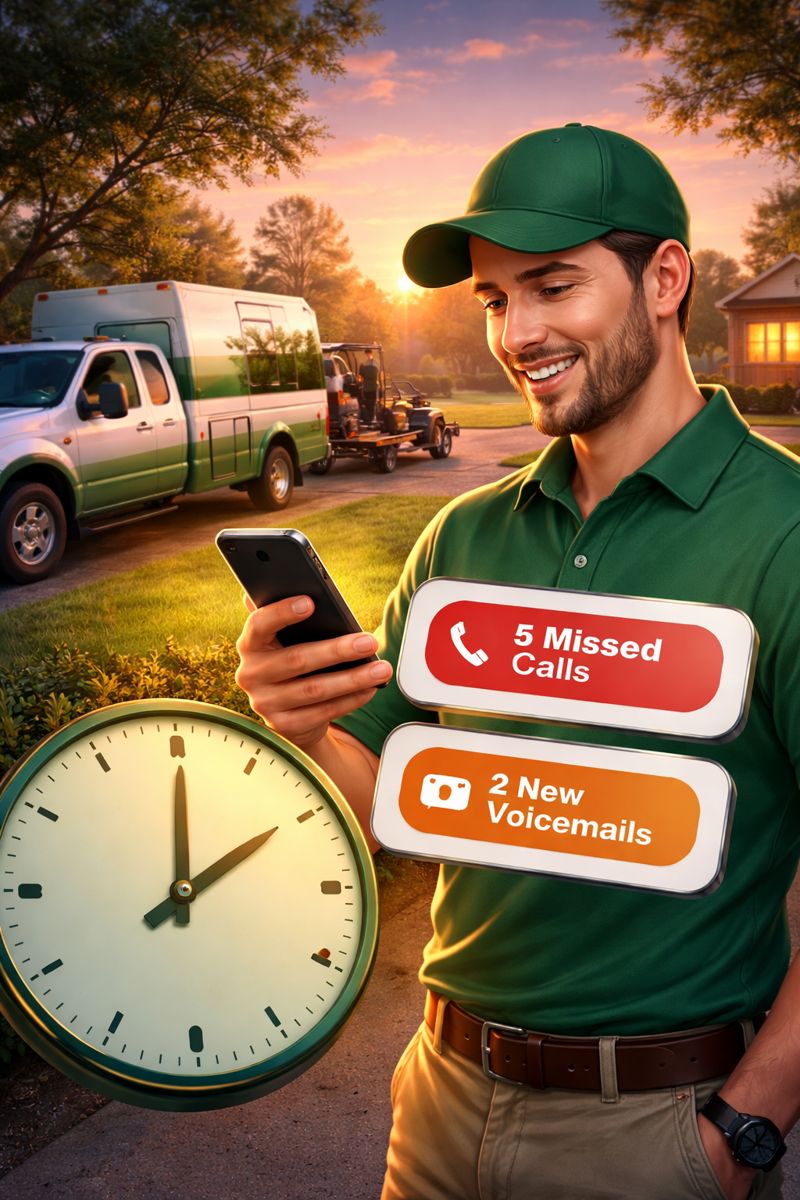
Most complaints with lawn and landscape companies are not caused by the problem itself; they are caused by silence. Customers can tolerate weather delays, schedule shifts, and even occasional mistakes. What they cannot tolerate is not knowing what is going on.
To reduce complaints, standardizing better service communication is essential. Use five consistent touchpoints that set expectations before the service, confirm timing, explain delays, and close the loop after the visit. When customers know what to expect and when, inbound calls drop, frustration drops, and retention improves.
Why Communication With Your Customers Beats "Perfect Service"
Even great crews cannot control weather, equipment issues, traffic, or seasonal spikes. But you can control communication. A predictable system does three things: it sets expectations so customers do not invent their own, reduces inbound calls like "Are you coming today?", and protects trust when something changes.
The goal is not to message more; it's to message at the moments that matter.
The 5 Communication Touchpoints That Prevent Most Complaints
These five communication touchpoints should be used as the default, though you can automate some and template the rest:
New Customer Confirmation (same day as signup)
Send a quick confirmation that answers the first questions customers always have. Confirm what service they are getting, when it starts/how scheduling works, how you communicate schedule changes, and how to reach you.
"What to Expect" Message (24 to 48 hours before first service)
This reduces day-one confusion and sets rules without sounding strict. Include an arrival window rather than a specific time. Cover gate access, pets, and parking notes. Clarify what your crew will and won't do. Tell them how to flag concerns, such as text, email, or portal.
Day-Of Heads-Up (morning of service, when possible)
You do not need GPS-level precision. A simple confirmation that they are on the schedule for today prevents most inbound calls. If you can, provide a broad arrival window, like late morning or early afternoon.
Delay or Reschedule Message (immediately when you know)
If you send only one message consistently, make it this one. Customers do not get angry at delays; they get angry at being ignored. Your message should include the reason in a brief, factual way, the new plan with the updated day or window, and also confirm what they need to do, which is usually nothing.
Post-Service Closeout (same day)
This is complaint-prevention and retention insurance. Keep it short, confirming service is complete, inviting them to reply with any issues, and setting expectations for the next visit if applicable.

How to Communicate Weather Delays to Your Customers
Weather is predictable chaos in the green industry, but the mistake is waiting until customers complain. Use a standard template that acknowledges the delay, states the reschedule plan, and confirms you will update them if anything changes. Keep it calm and operational, and avoid phrasing like "We will try our best," which sounds uncertain. Instead, opt for phrasing like "Here is the updated plan."
Arrival Windows: What to Promise & What Not to Promise
If your team is giving specific arrival times, you are inviting frustration. Do give a window, such as morning, midday, or afternoon, and explain variability once, including weather and route order. Set a simple rule that routes can shift, and you will notify them if you cannot make it.
Do not promise a specific time unless you can consistently hit it, say "We will be there sometime today" with no context, or ignore repeated issues. Track them and fix root causes.
Callout: When a customer reports a problem, use A-A-T: Acknowledge, action, and timeline. This ensures they feel heard, see a plan, and have a timeframe.
Make Communication Easy on Your Team With Scripts, Templates & Ownership
A system only works if it is simple to execute, and the same goes for communicating with your customers. The best way to make it easy on your team is to start by assigning ownership clearly; the office or admin handles confirmations, delays, closeouts, and issue triage. Then, the crew lead sends quick notes back to the office about completion, access issues, or customer concerns.
Next, build templates for new customer confirmation, first-service expectations, delay or reschedule, post-service closeout, and issue received with a timeline. Make sure to put these templates where your team lives, such as your CRM, email snippets, or texting tool, rather than burying them in a folder no one opens.
Track the Right Metrics to Determine Whether the Communication System Is Working
If you want to determine whether the communication system you've established is working, track outcomes. Start with inbound call volume, especially "Where are you?" calls. You should also track the complaint rate as issues per 100 visits, retention and monthly churn, and rework rate and callbacks for quality. When the system works, you should see fewer inbound status calls and fewer escalations, often within weeks.
We'll Help Track Customer Communication to Build a System That Works
If you want to improve communication so your team gets fewer interruptions and your customers feel taken care of, Lawnline Marketing is here to help! We'll track all inbound communication and come up with a strategy to reduce complaints and boost retention. Crystal Insights, our Lawnline-exclusive AI-powered analytics platform, is a key component of reporting and data tracking, offered as part of our Growth Programs.
Call (813) 944-3400 to schedule a consult and discuss how we can help you grow your business!